1 in 3 people born in the UK today will develop dementia.
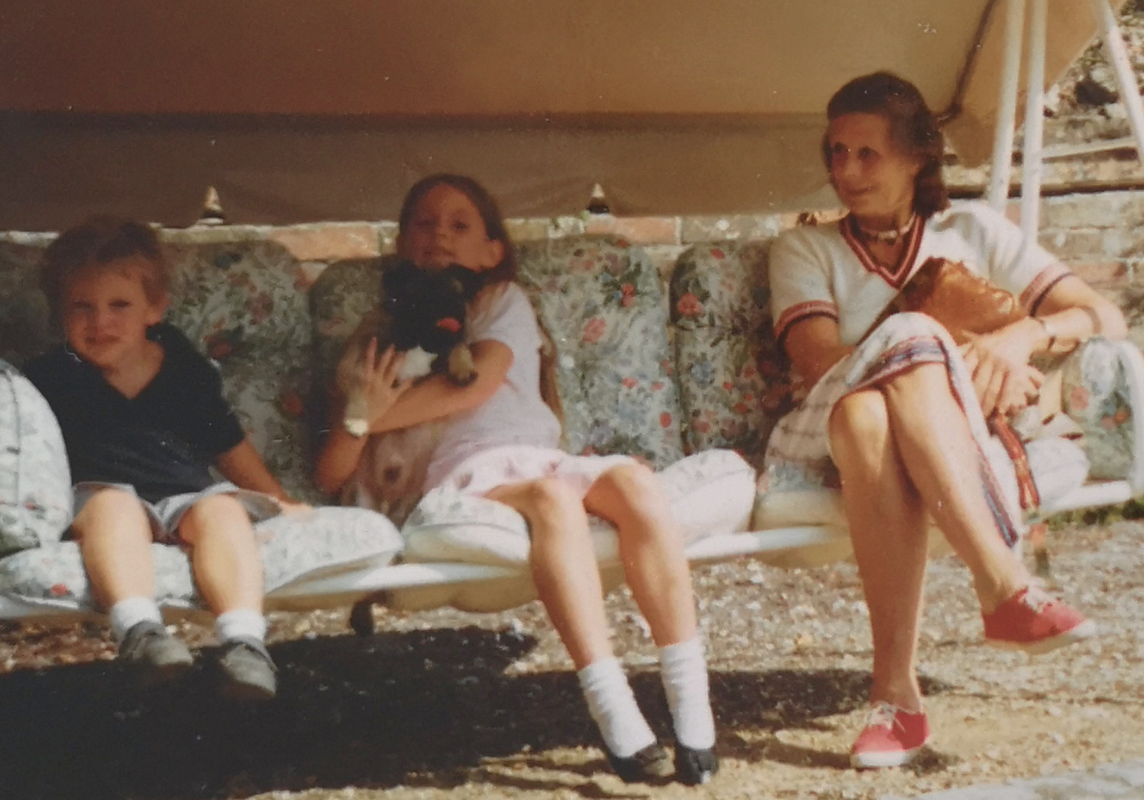
Stories Behind the Research: Granny & Laura
"Granny's dementia crept up on her gradually. The first real sign was when she "lost" her car in a car park but that was some years before she received a formal diagnosis..."
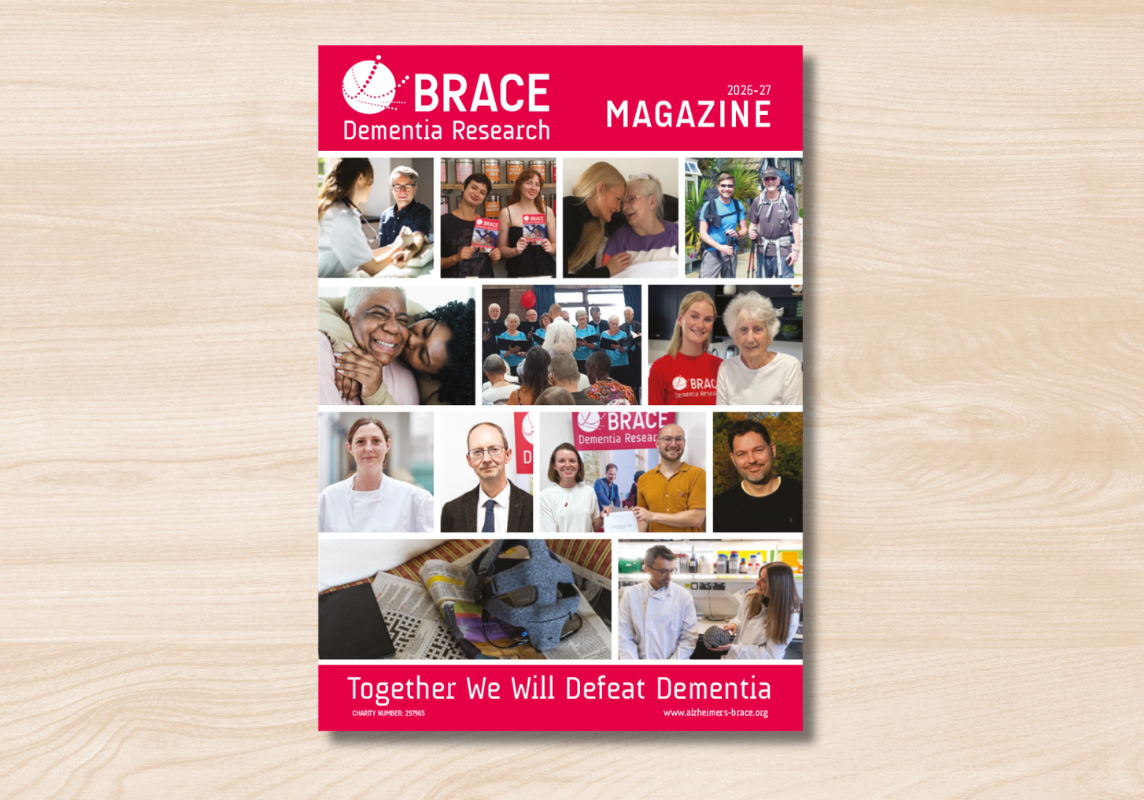
Newest edition of the BRACE Magazine
Inside, you’ll find the latest research news, upcoming events and inspiring stories. Read on to discover what BRACE and our incredible researchers have been up to.
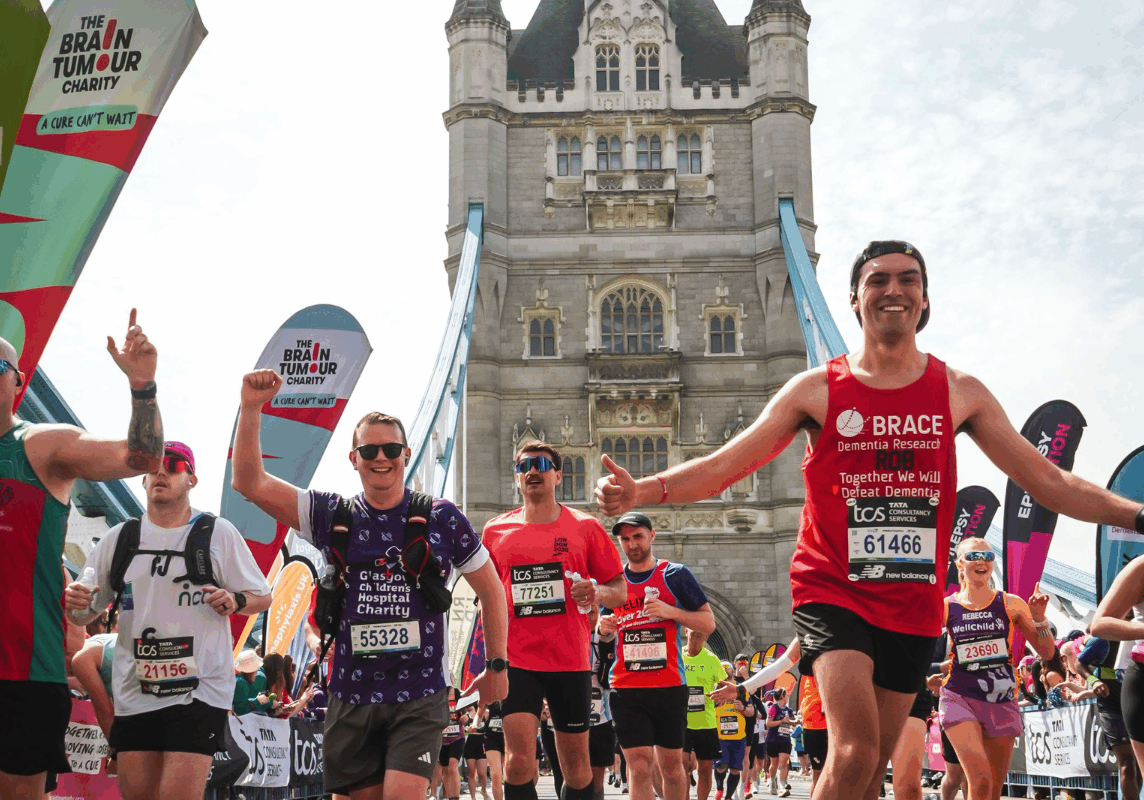
Race for BRACE in 2026 #TeamBRACE
Looking to get fit in 2026 and support dementia research at the same time? We have a wide range of events for you, from 10k races to full marathons in the UK and abroad.
Latest news
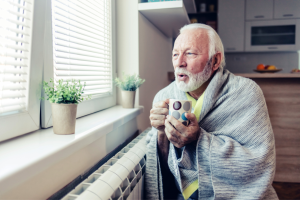
As the weather gets colder, there are a few simple things that can help people living with dementia stay warm and comfortable. Dementia can sometimes affect a person’s awareness of temperature, meaning they may not always notice when they are cold. Changes to routine and shorter days can also affect how someone feels and behaves.…
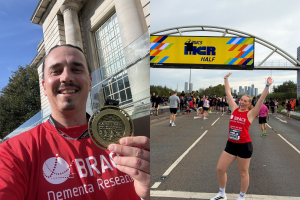
What a weekend for #TeamBRACE! On Sunday 4th October, our incredible runners took on both the Manchester Half Marathon and Cardiff Half Marathon, raising a fantastic £24,967 for dementia research between them. In Manchester, our runners raised an amazing £12,037, including £1,698 in Gift Aid. Meanwhile, over in Cardiff, our #TeamBRACE runners raised an incredible…
Events
BRACE Autumn Fair
Christmas Carol Service
Lisbon Super Half Marathon
Bath Half Marathon